Battery Monitoring Systems
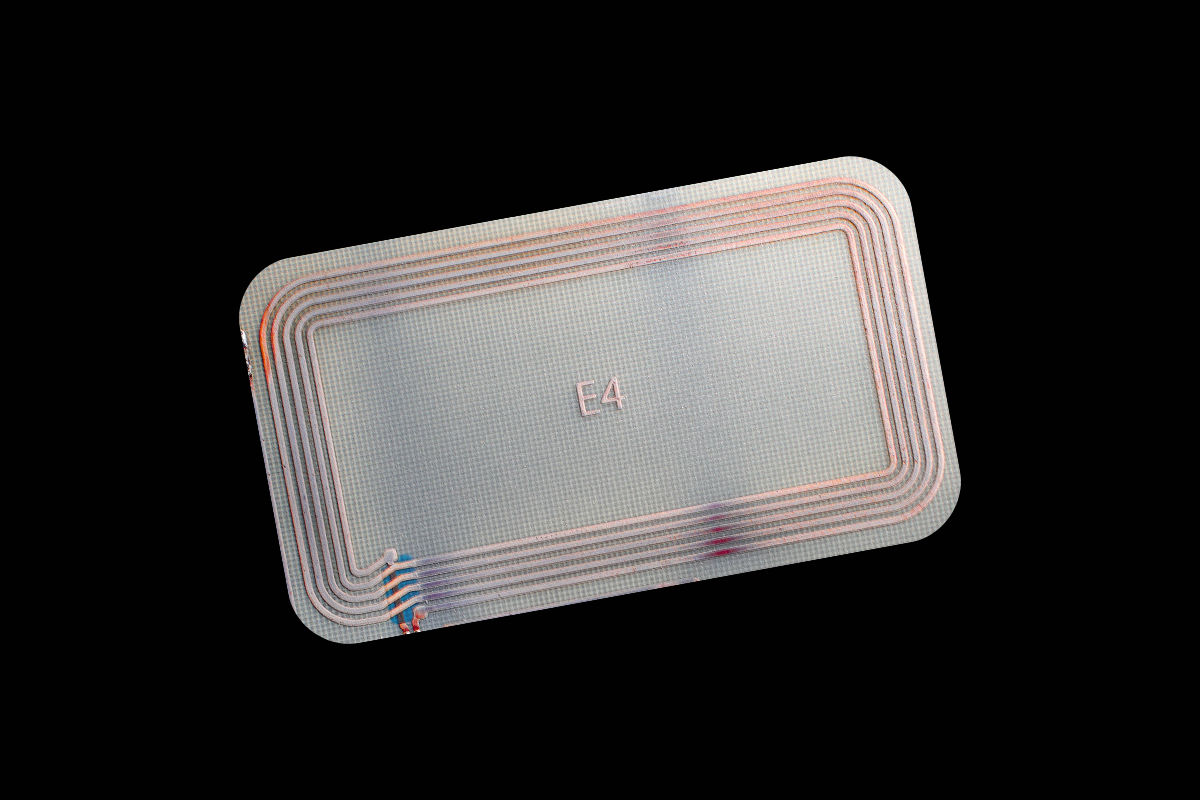
Comprehensive battery monitoring with ultra-thin printed sensors captures detailed data at individual cell level. Real-time pressure and temperature monitoring optimizes performance, extends lifespan, and enhances safety.
BaMoS: FLEXOO's Battery Monitoring System
What is BaMoS?
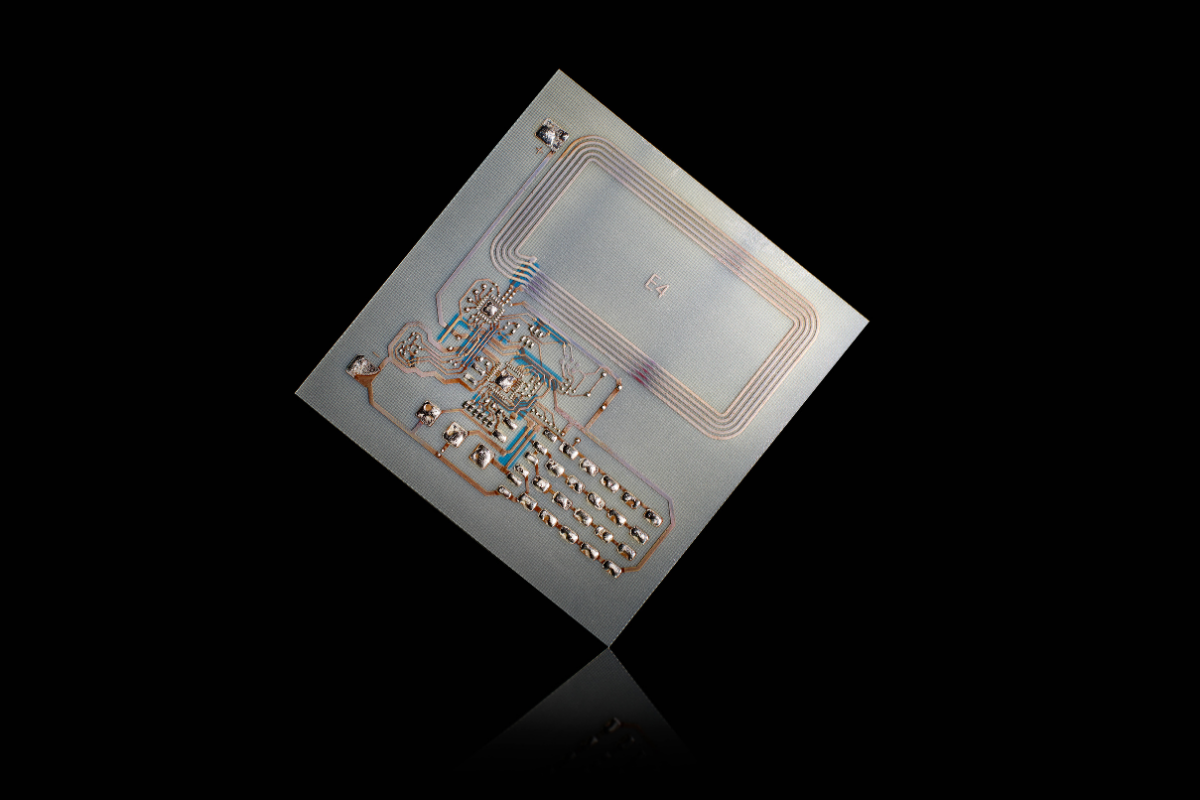
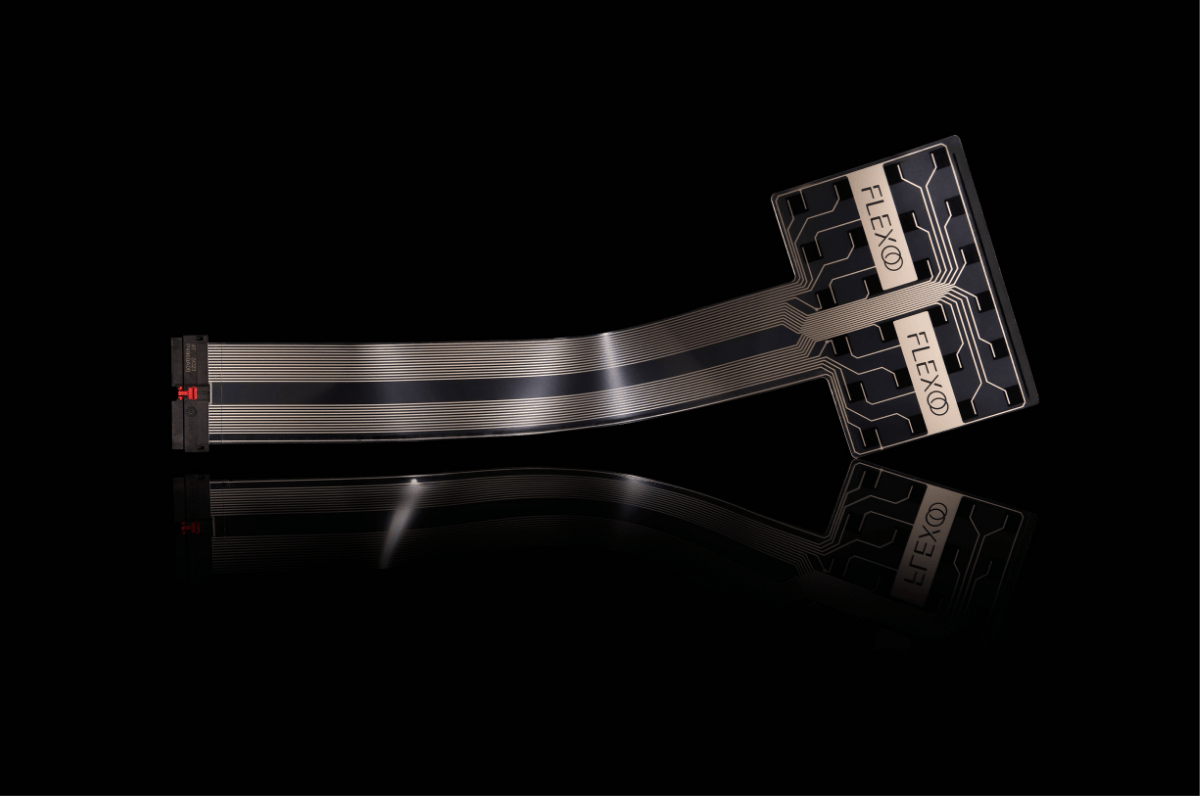
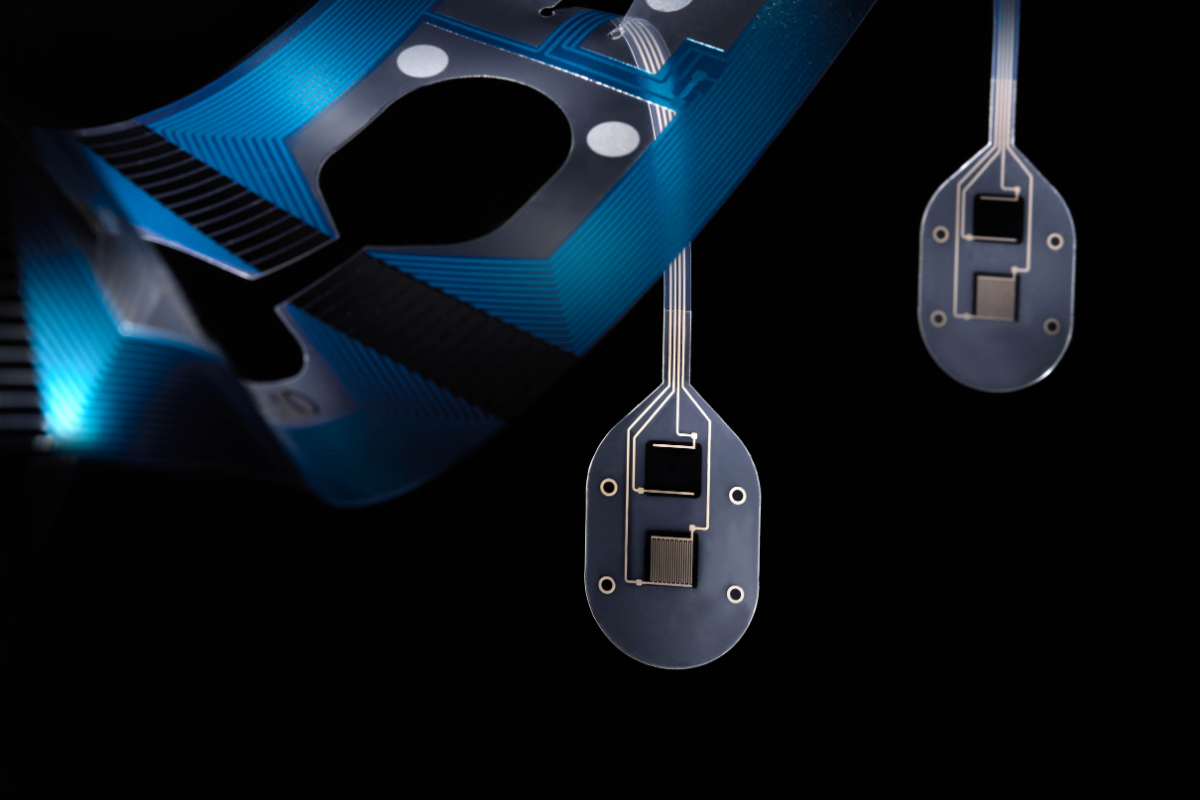
BaMoS is an innovative battery monitoring solution utilizing ultra-thin printed pressure and temperature sensors for cell-level monitoring. The system comprises sensor foils, electronics for data collection and processing, and software for real-time visualization, storage, and analysis of battery performance parameters.


What problems does BaMoS solve?
BaMoS addresses critical battery challenges: it prevents overcharging through pressure monitoring during cell volume fluctuations, enables cell balancing to maximize capacity and lifespan, detects temperature variations that affect performance, and provides granular cell-level data for proactive maintenance decisions.
Technical features of BaMoS
Advanced sensor matrices

- Pressure and temperature sensors printed on thin foils
- Standard and custom layouts available
- Prime pressure sensor architecture
- Humidity sensing and heating on demand
Crosstalk-free electronics
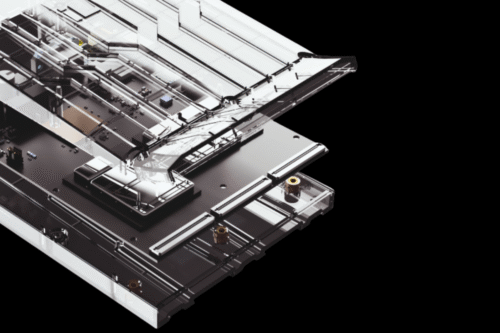
- Superior signal quality with 96x96 pixel resolution
- 12-bit signal conversion
- Stand-alone operation with EM interference shielding
- CAN, Ethernet, USB, WiFi, Bluetooth communication
SensorMatrixLAB: Software suite for BAMOS
- Live 2D and 3D visualization with data storage
- Real-time API streaming and sensor calibration
- HDR function for optimal sensor performance
- Simultaneous multi-foil readout capabilities
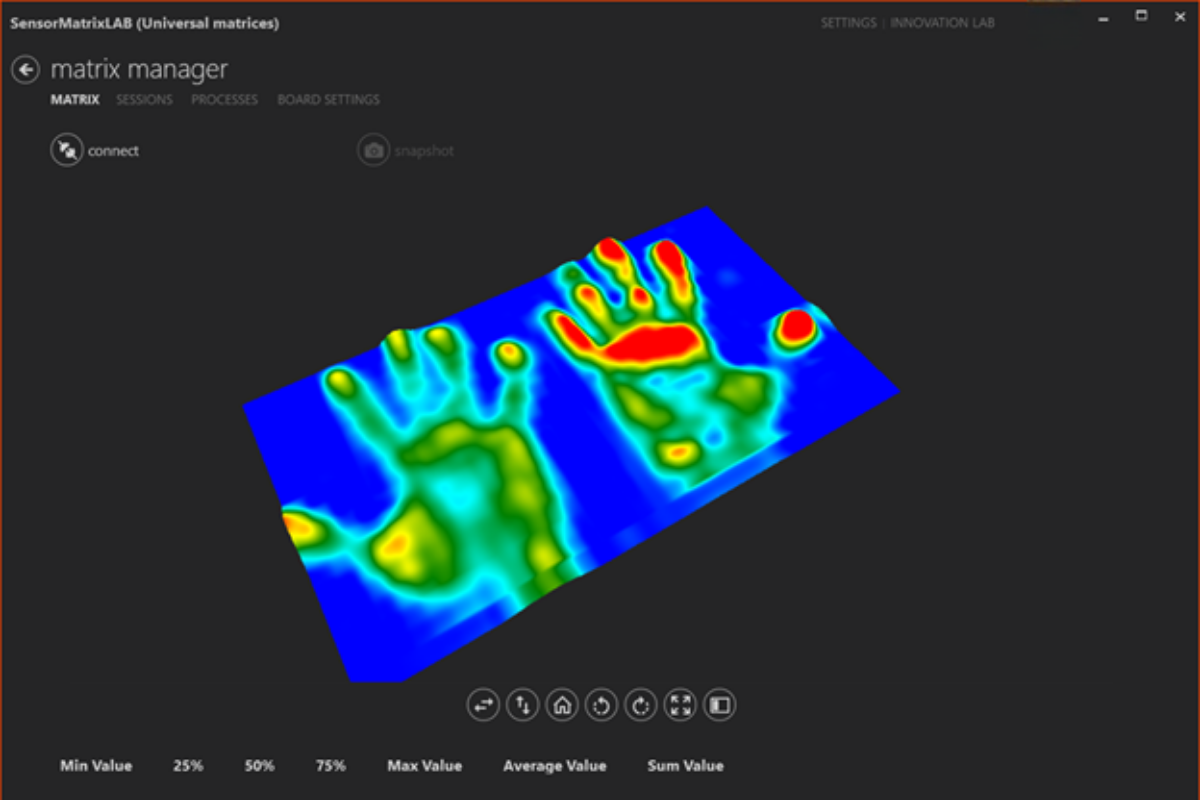
Battery monitoring for vehicles
See how BaMoS monitors every battery cell with ultra-thin printed sensors
Use case applications for BaMoS

Electric vehicle battery packs
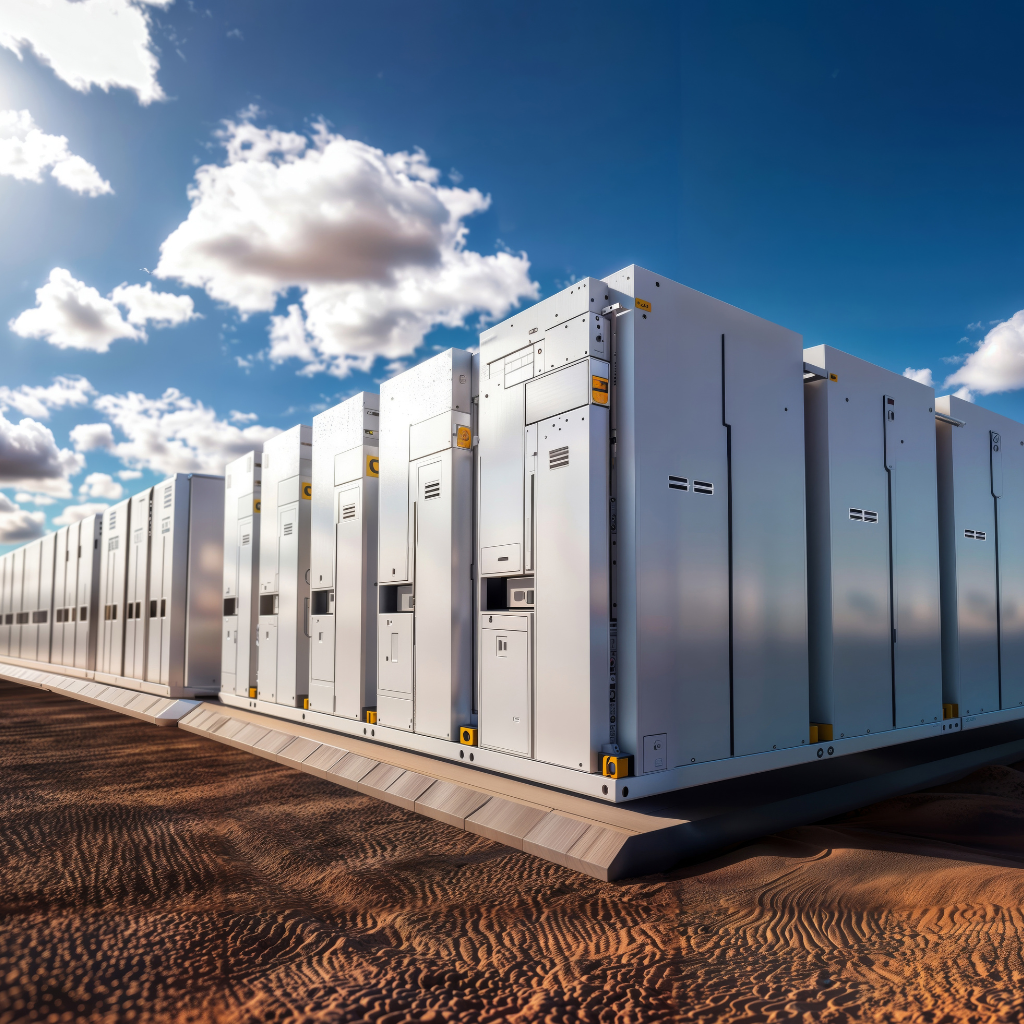
Stationary energy storage systems
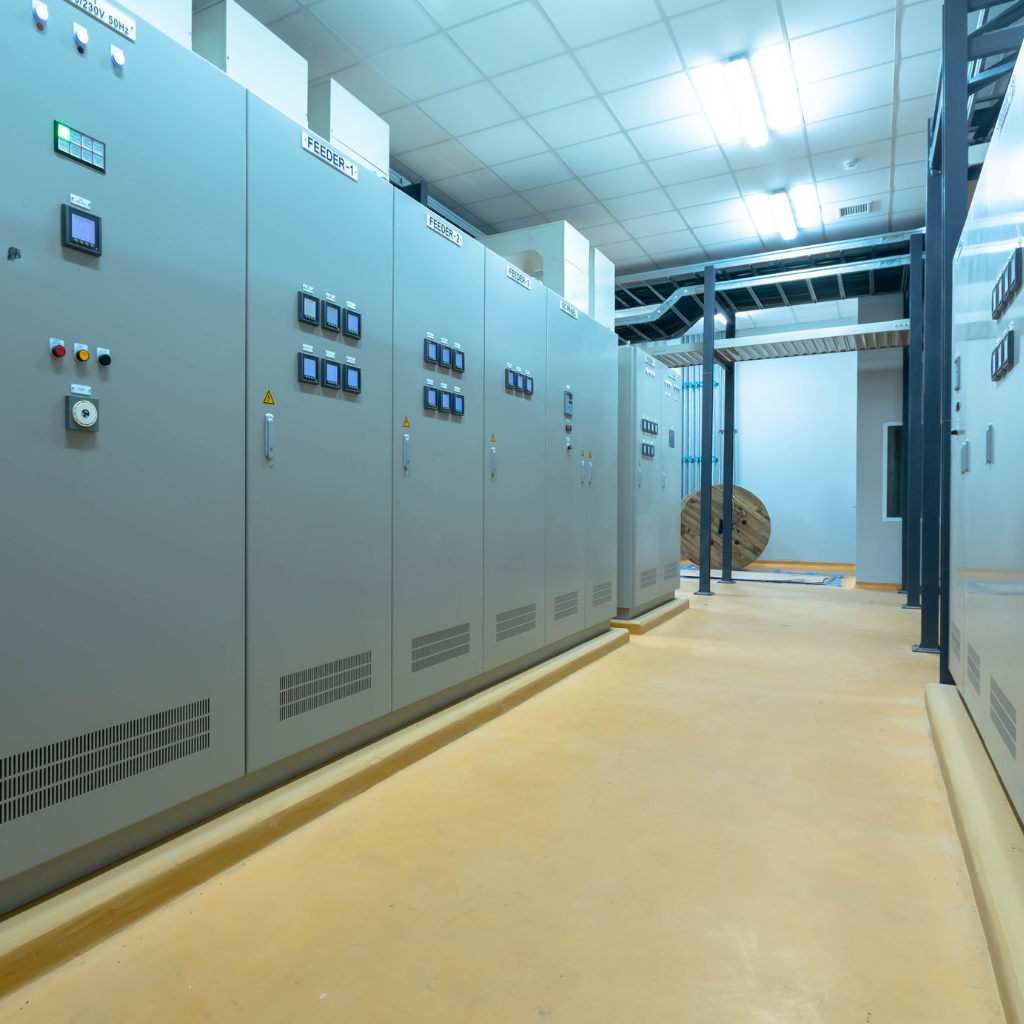
Industrial UPS systems

Battery lifecycle testing
Why should you choose FLEXOO's battery monitoring system?
Frequently Asked Questions
1. How does a battery monitoring system work?
BaMoS utilizes ultra-thin printed sensors strategically positioned around and between battery cells to monitor pressure and temperature changes during operation. The system captures volume fluctuations as batteries "breathe" during charge-discharge cycles, providing insights into cell state-of-charge. Pressure sensors detect cell expansion and contraction patterns, while temperature sensors monitor thermal variations. Data is collected by advanced electronics with high-resolution processing capabilities and transmitted to battery management systems for real-time analysis and decision-making.
2. What are the main benefits of using a battery monitoring system?
The primary benefits include enhanced safety through early detection of thermal irregularities, extended battery lifespan via optimized cell balancing, improved performance through precise state-of-charge monitoring, and reduced maintenance costs through predictive analytics. The system enables proactive identification of potential issues before they escalate, facilitates optimal charging strategies, and provides comprehensive data for informed maintenance decisions. Additionally, BaMoS supports compliance with industry safety standards and enables advanced battery management algorithms.
3. How does a battery monitoring system extend battery lifespan?
BaMoS extends battery lifespan by monitoring pressure changes that indicate cell state-of-charge variations, enabling precise cell balancing to prevent overcharging and undercharging conditions. The system enables to optimize pressure levels, which can improve cycle lifetime up to 40%. Temperature monitoring allows for proactive thermal management, preventing degradation from excessive heat or cold conditions. By maintaining uniform charging across all cells and preventing stress conditions, BaMoS maximizes the overall battery pack performance and longevity.
4. How does a battery monitoring system improve battery safety?
BaMoS enhances safety through continuous monitoring of critical parameters that indicate potential hazards. Temperature sensors detect thermal runaway conditions before they escalate to dangerous levels, while pressure monitoring identifies cell swelling or gas generation that could indicate failure. The system provides early warning alerts for abnormal conditions, enabling preventive measures before safety incidents occur. Real-time data transmission allows for immediate response to critical situations, and comprehensive monitoring ensures compliance with safety protocols.
5. How does a BMS optimize battery performance?
A Battery Management System optimizes performance by utilizing BaMoS data to implement intelligent charging algorithms, balance cell voltages, and manage thermal conditions. The system analyzes real-time pressure and temperature data to determine optimal charging rates and prevent stress conditions. Cell balancing capabilities ensure uniform energy distribution across the battery pack, maximizing capacity utilization. Performance optimization includes adaptive charging strategies based on environmental conditions and usage patterns, resulting in improved energy efficiency and extended operational range.
Get in contact with us!
Talk to our experts!
Have a specific application, challenge, or project in mind? Schedule a meeting with our team to discuss your requirements and explore potential next steps.
Other products that may interest you
Discover our wide range of products in the field of printed electronics

Boost your BMS intelligence, battery safety & performance without pack redesign.