

Cellular temperature sensors for safe, economical, and reliable BESS
Real-time cellular monitoring prevents thermal runaway and fires in battery energy storage systems. Ultra-thin printed sensors integrate seamlessly at cell level, delivering precise temperature and pressure data.
What are cellular temperature sensors?
Cell sensors are ultra-thin printed devices integrated directly between battery cells in BESS systems. These miniaturized sensors continuously monitor temperature and pressure at the cellular level, transmitting real-time data to the battery management system (BMS). Positioned where thermal runaway originates, they provide early warning before critical conditions escalate.


What problems do cellular temperature sensors solve?
Cell sensors address three critical BESS challenges: thermal runaway prevention by detecting hotspots before fires start, lifespan extension through uniform temperature monitoring, and improved safety through real-time cellular-level data. They eliminate blind spots in conventional monitoring systems that detect problems too late.
Why should you choose FLEXOO as your cellular temperature sensor provider?

FLEXOO recognized as Finalist for Battery Safety Technology of the Year
With its award-nominated flexible temperature sensors, FLEXOO delivers real-time, cell-level insights that enhance battery safety and efficiency in BESS and EV systems.
This innovation was honored as a Finalist for Battery Safety Technology of the Year at The Battery Show North America 2025.

Use case applications for cellular temperature sensors
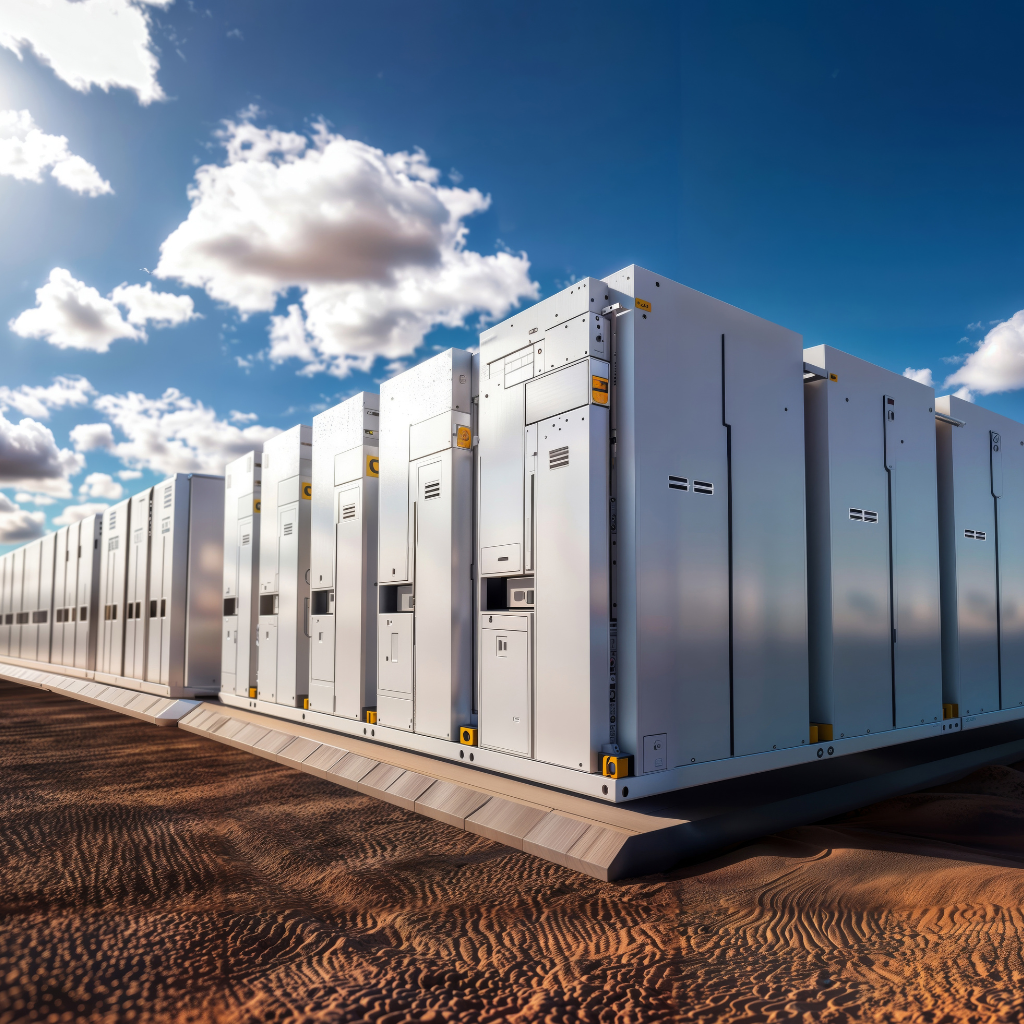
Cellular temperature sensors in stationary storage

Cellular temperature sensors in e-mobility

Cellular temperature sensors in industrial applications

Cellular temperature sensors in mobile devices
Frequently Asked Questions
1. How do I start with cellular monitoring to increase BESS battery safety?
Start with a functional prototype. Our engineers will support you with integration and evaluation of results. Your test results form the basis for further adjustments.
2. What customizations are possible for BESS cellular monitoring sensors?
Our sensors can be individually adapted in size, shape, and measurement range to your specific battery types. We customize the film design to match your existing battery pack design. We also offer tailored interfaces for your Battery Management System.
3. What happens after specifications are finalized?
The Alpha Product stage begins the production ramp-up. At this stage, the battery sensor specification is complete. This is followed by the quality assurance phase with the Beta Product. Typically, you'll receive deliveries for your production in less than six months according to your desired scheduling system.
4. Why is cell-level measurement important?
It enables fast detection of abnormal pressure and heating situations, helping to prevent thermal runaway and protect the battery.
5. How are the cellular sensors installed?
In-situ sensors by FLEXOO are placed in direct contact with a battery cell - a battery pack redesign is not needed.
6. Can these sensors connect with existing BMS or AI systems?
Yes, the sensors are designed to integrate with standard Battery Management Systems and AI logic.
7. What are the benefits of cellular sensors for safety and performance?
Early warning signals allow prompt action, improving operational safety and battery lifespan.
8. How is data of cellular sensors transmitted?
Sensor signals can be wired or wireless, depending on module design and project needs.
Let’s start to work on your challenge!
Ready to take the next step? Reach out to our sales team today and discover how we can tailor our solutions to meet your needs.
Contact our sales team!
Is your question more specific and would you like to talk to an expert? Make sure to reach out sales experts, they will be happy to advise you!





Other FLEXOO sensors
Check what FLEXOO has to offer in terms of sensing technology
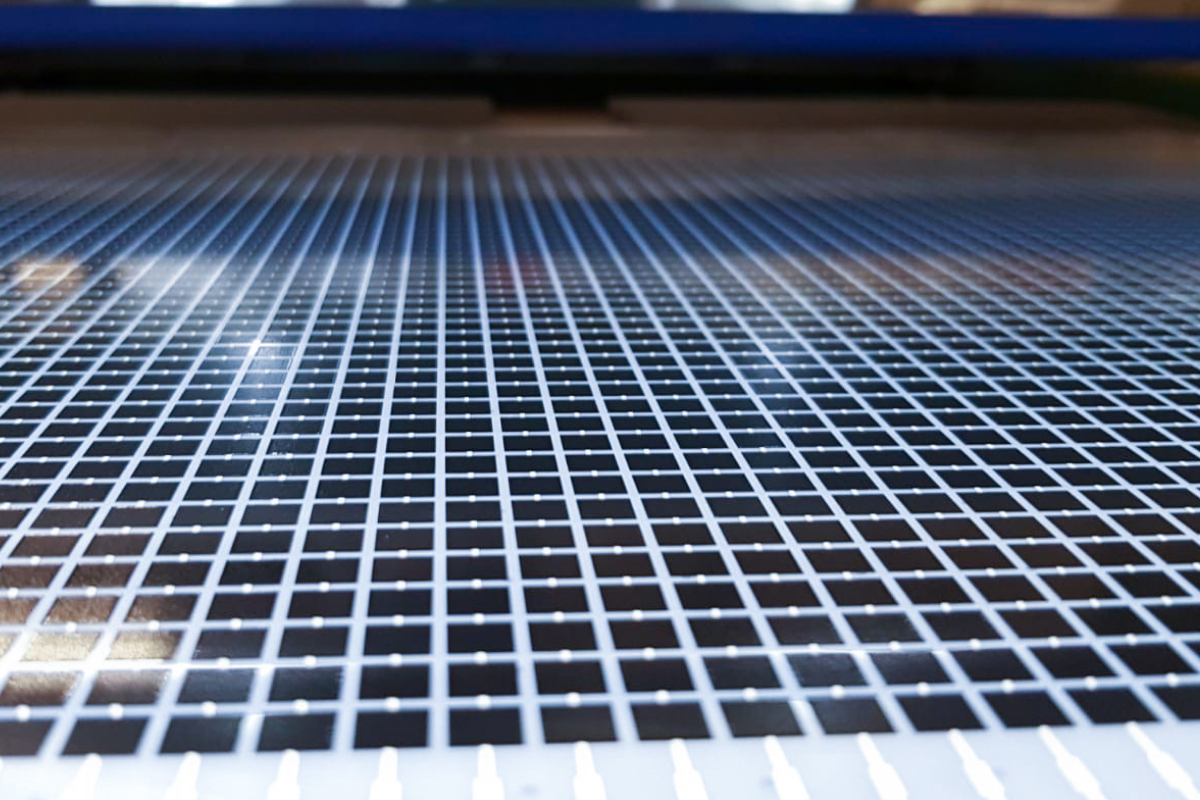
Large-area sensors
Move beyond the constraints of single-point detection with seamless sensing matrices designed for scale. These printed systems allow for continuous monitoring of environmental variables like humidity and temperature across vast areas, ensuring no data gaps exist. With integrated readout capabilities, they provide a comprehensive look at surface conditions, empowering facilities to improve safety protocols and streamline maintenance through real-time spatial insights.
Wireless sensors
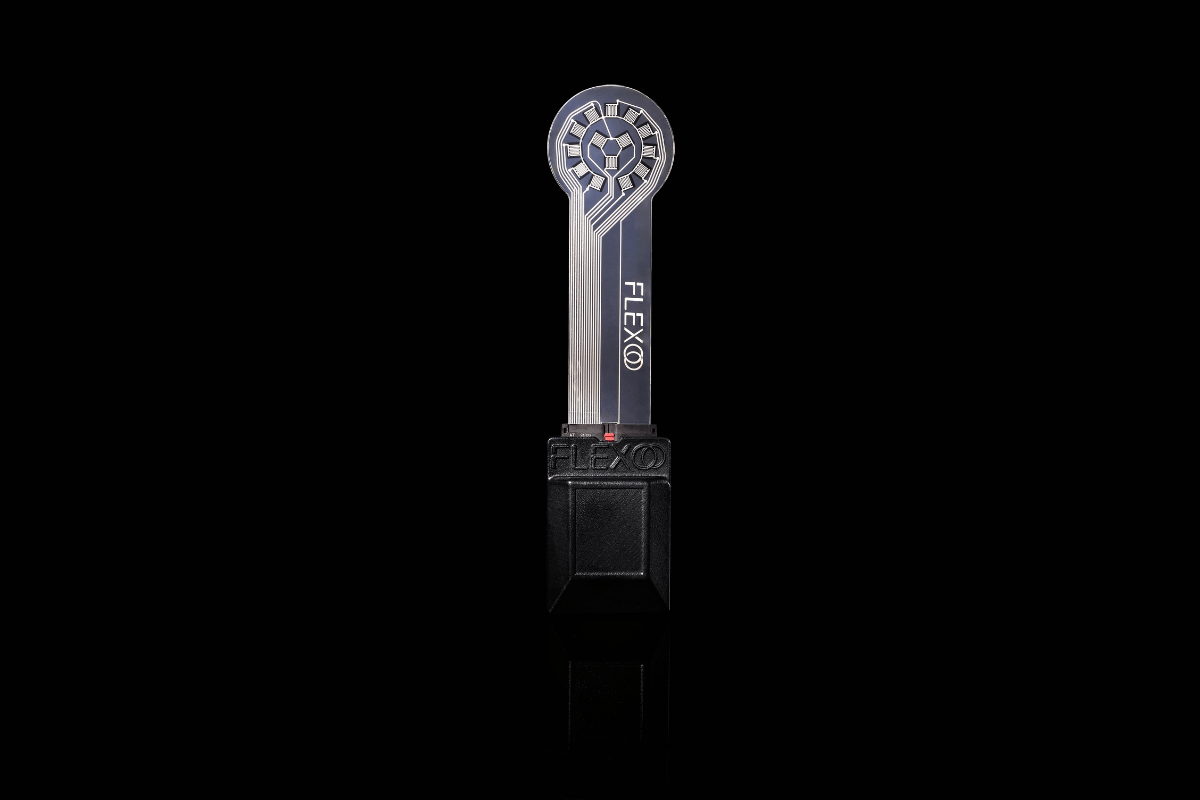
Wireless sensing technology provides a streamlined approach to data collection, particularly in hard-to-reach or hazardous zones. By removing the need for labor-intensive cabling and complex hardware setups, these compact units offer a "plug-and-play" solution for instant telemetry. Whether configured for thermal, atmospheric, or pressure monitoring, these versatile tools reduce overhead and simplify oversight in the most demanding remote environments.