
Wireless sensors

Real-time wireless measurement solutions with ultra-thin sensors and Bluetooth connectivity. Cost-effective data collection for inaccessible locations with automated roll-to-roll printing technology and instant data analysis.

What are wireless sensors?

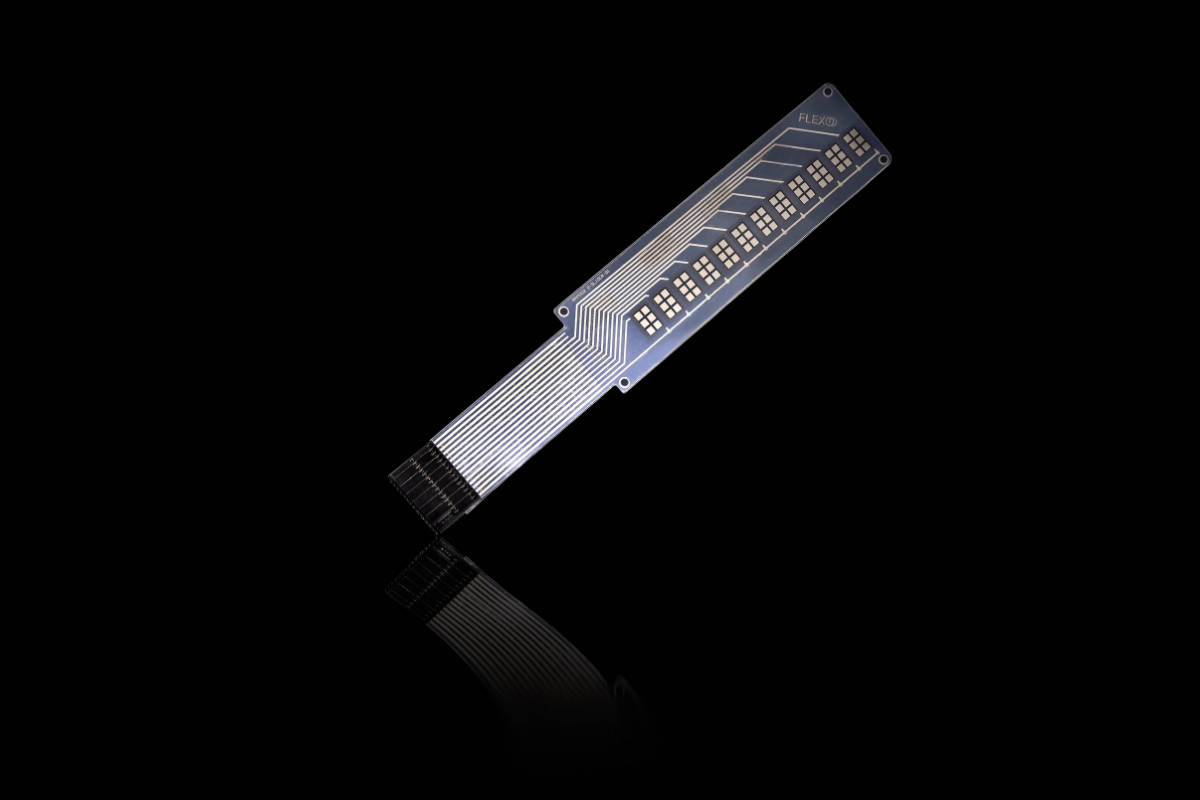
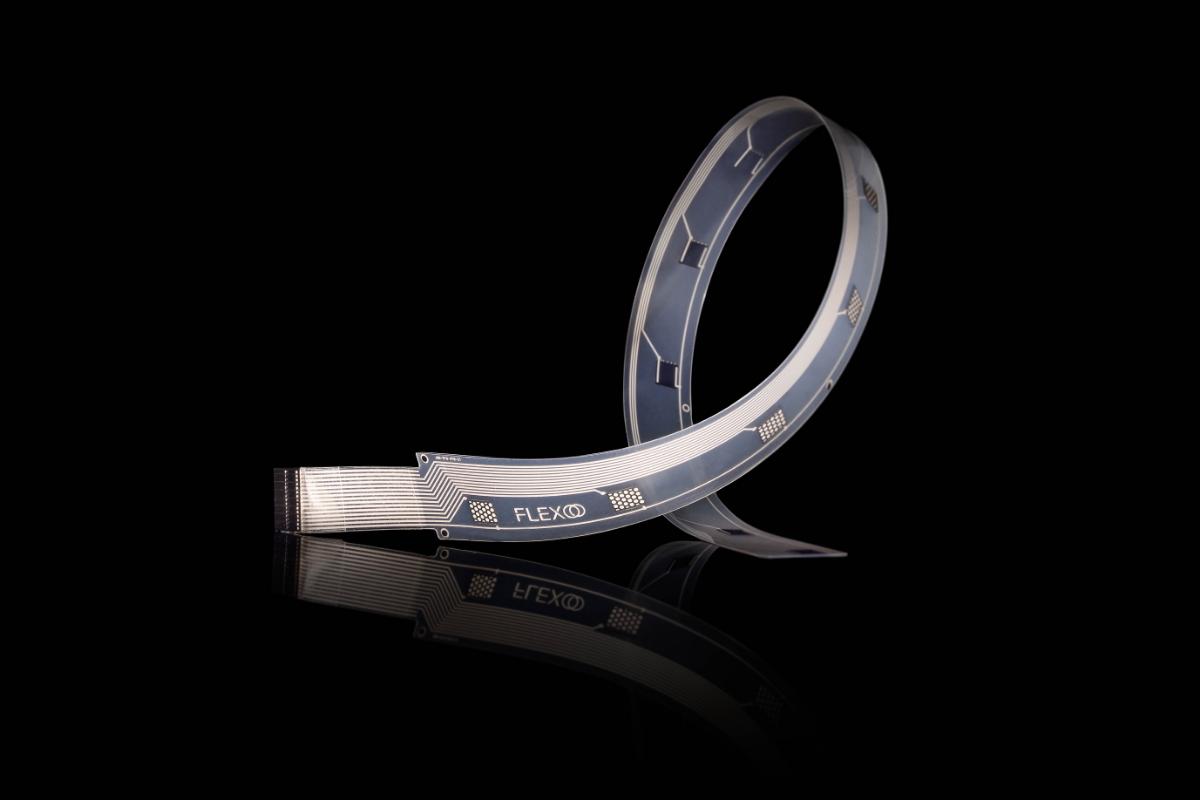
Wireless sensors are compact measurement devices that collect and transmit data without physical cable connections. These ultra-thin, highly integratable sensors use wireless communication protocols like Bluetooth to send real-time measurements to monitoring systems. They feature embedded electronics, power management, and various sensing capabilities.
What problems do wireless sensors solve?

Wireless sensors address traditional measurement challenges including high installation costs, insufficient data collection, time-consuming setup, and inaccessible monitoring locations. They eliminate expensive cabling, reduce installation complexity, provide real-time data access, and enable monitoring in harsh or remote environments.

Types of wireless sensors

Common wireless sensor types include temperature sensors for thermal monitoring, pressure sensors for mechanical stress detection, accelerometers for vibration analysis, gyroscopes for orientation tracking, magnetometers for magnetic field measurement, and multi-axis sensors combining multiple parameters for comprehensive monitoring.

Key features of FLEXOO's wireless sensors

Hardware

  • 12 sensors
  • 12 Bit ADC resolution
  • Temperature drift compensation
  • 9-Axis sensor: Gyroscope, Accelerometer, Magnetometer, Temperature
  • Lithium Ion Battery + charging management
  • -40°C to 85°C temperature range

Electronic

  • Bluetooth Low Energy 5.4
  • > 35 fps transmission rate
  • Range: up to 75 meters
  • GATT structure
  • USB-Com port
  • Implemented sleep mode with wake up using movement

Why should you choose FLEXOO as your wireless sensor provider?


Use case applications for wireless sensors

WordPress_1024x1024_Automotive

Automotive testing and monitoring

Battery monitoring for test stands and series production with functional and safety measurements using advanced pressure sensors.
WordPress_1024x1024_Medtech

Medical technology applications

Wearable devices and sensor mats for beds, chairs, and floors enable foot health monitoring and healthcare diagnostics.
5

Energy storage monitoring

Battery systems require monitoring for state-of-health, state-of-charge, and thermal runaway prevention in energy storage facilities.
WordPress_1024x1024_Logistics

Logistics and inventory management

Intelligent shelves detect occupancy status while weight-based counting systems enable automated inventory tracking and management.
WordPress_1024x1024_Industrial

Industrial asset monitoring

Pipeline flange leak detection and torque monitoring applications provide critical infrastructure monitoring capabilities.

Frequently Asked Questions

1What are the main advantages of using wireless sensors over wired ones?
Wireless sensors offer significant advantages including reduced installation costs by eliminating expensive cabling, increased flexibility for deployment in inaccessible locations, simplified system scalability, and enhanced mobility. They enable remote monitoring and facilitate seamless communication between machines and systems, offering advantages in terms of low installation cost, scalability, flexibility, lack of cabling, intelligent-processing capability, high mobility and ease of deployment. Wireless systems also eliminate wiring complexity and reduce maintenance requirements while providing easier reconfiguration capabilities.
2What are the typical components of a wireless sensor system?
A wireless sensor system typically comprises sensing elements (temperature, pressure, accelerometer), signal processing electronics with analog-to-digital conversion, wireless communication modules (Bluetooth, WiFi, cellular), power management systems including batteries and charging circuits, and data processing software. Advanced systems like MiniMoS include 12-bit ADC resolution, 9-axis sensors combining gyroscope, accelerometer, and magnetometer, temperature drift compensation, and embedded sleep modes for power optimization. Central data collection units and analysis software complete the system architecture.
3Can wireless sensors be used for real-time monitoring?
Yes, wireless sensors are highly effective for real-time monitoring applications. They help gather real-time data, enabling remote monitoring, and machines can communicate their status and performance metrics in real time across wireless networks. MiniMoS achieves transmission rates exceeding 35 fps, ensuring immediate data availability. By providing real-time data, industrial wireless sensors enable quick decision-making and proactive maintenance. The systems prevent data loss through continuous streaming and instant analysis capabilities.
4Are they suitable for harsh industrial environments?
Wireless sensors are well-suited for harsh industrial environments. Industrial Wireless Sensor Networks perform reliably in harsh industrial environments, and wired solutions are not practical for isolation requirements for highly humid environments, high magnetic fields, or vibration. Advanced wireless sensors operate across wide temperature ranges (-40°C to 85°C), feature enhanced electromagnetic interference shielding, and include robust construction for industrial conditions. They provide reliable operation in environments with high humidity, magnetic fields, vibration, and other challenging conditions where traditional wired systems fail.
5How do wireless sensors contribute to automation and efficiency?
Industrial wireless sensors reduce downtime, prevent costly repairs, and ensure that machinery operates at optimal levels. Higher operational efficiency translates to better productivity, and they enable the transfer of real-time data from machines and equipment into the cloud, where IT systems can analyze and leverage this information for improved decision-making and efficiency. Wireless sensors support predictive maintenance strategies, enable automated process control, facilitate data-driven optimization, and provide continuous performance monitoring that enhances overall system automation and operational efficiency.
6What is the typical range of wireless sensors?
Wireless sensor range varies significantly based on technology and application requirements. MiniMoS utilizes Bluetooth Low Energy 5.4 technology and achieves ranges up to 75 meters in typical operating conditions. Range depends on factors including transmission power, antenna design, environmental conditions, interference levels, and regulatory constraints. Industrial applications often require range optimization balanced with power consumption considerations.

Let’s start to work on your challenge!

Ready to take the next step? Reach out to our sales team today and discover how we can tailor our solutions to meet your needs.

Contact our sales team!

Is your question more specific and would you like to talk to an expert? Make sure to reach out sales experts, they will be happy to advise you!